The crossing of the English Channel, the body of water that separates France from England, is a journey that has fascinated for centuries. With its 34 kilometers at the narrowest point, it has witnessed many maritime adventures, from the first flight crossing by Louis Blériot in 1909 to the more recent challenges faced by intrepid swimmers.
Today, the crossing has become more accessible with various options. Ferries and the Eurotunnel offer quick trips for passengers and goods, transforming this once perilous journey into a daily routine for thousands of travelers.
The different options for crossing the English Channel
The distance between France and England, although short, offers various options for those wishing to cross the Channel. Here are the main alternatives available:
Ferry
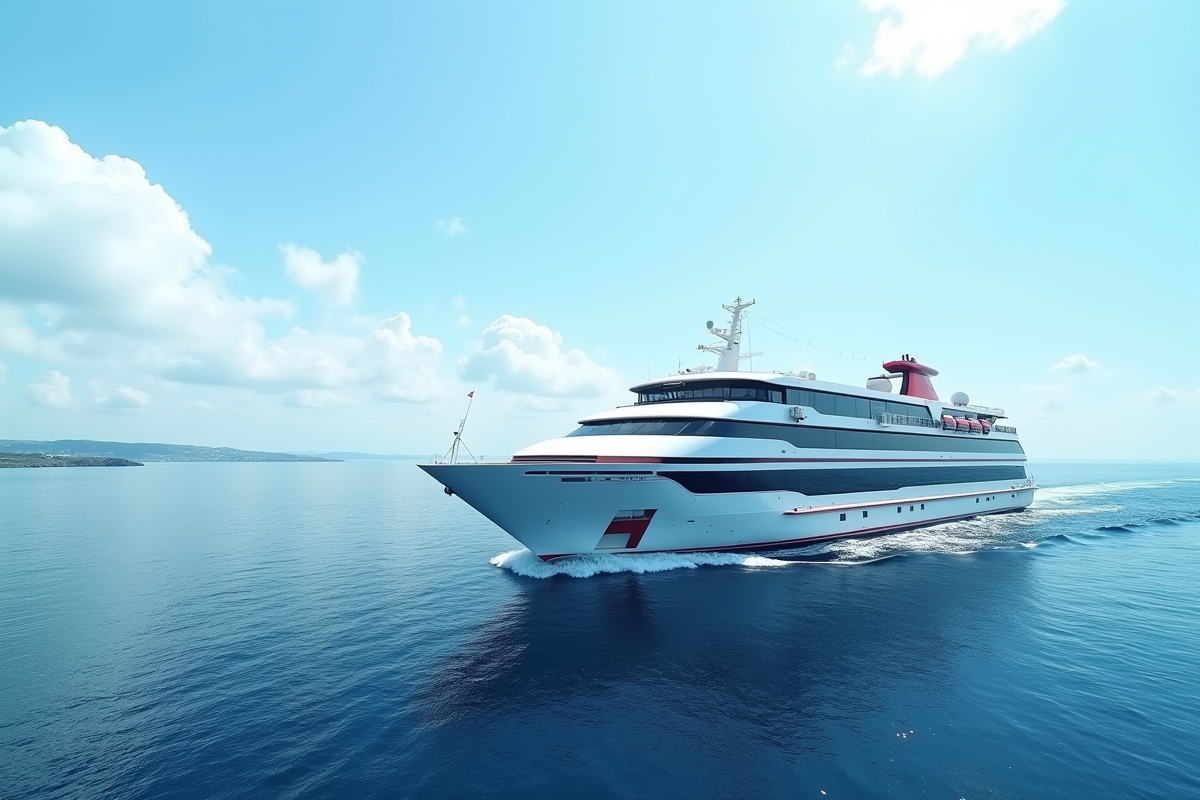
Ferries remain a classic and popular method. Several companies connect Calais to Dover, offering regular departures throughout the day. The journey takes about 90 minutes, allowing passengers to enjoy stunning views of the sea.
- Calais-Dover: The most popular crossing, with frequent services.
- Other routes: Ports like Dunkirk or Dieppe also offer crossings to England.
Eurotunnel
The Channel Tunnel, opened in 1994, connects Coquelles to Folkestone. Used by services like LeShuttle for vehicles and Eurostar for passengers, this rail tunnel allows for a quick and comfortable crossing. The journey takes about 35 minutes for vehicles and 2 hours 15 for Eurostar passengers between Paris and London.
| Service | Duration |
|---|---|
| LeShuttle | 35 minutes |
| Eurostar | 2 hours 15 minutes |
Plane
For those who prefer the skies, several airlines offer daily flights between major French and English cities. The flight is quick, usually less than an hour, but it is important to account for check-in and security time at airports.
These options show that crossing the Channel has become a simplified process, offering several means suited to every need. Whether by ferry, tunnel, or plane, everyone can choose the method that best suits them to connect the two sides of this historic body of water. 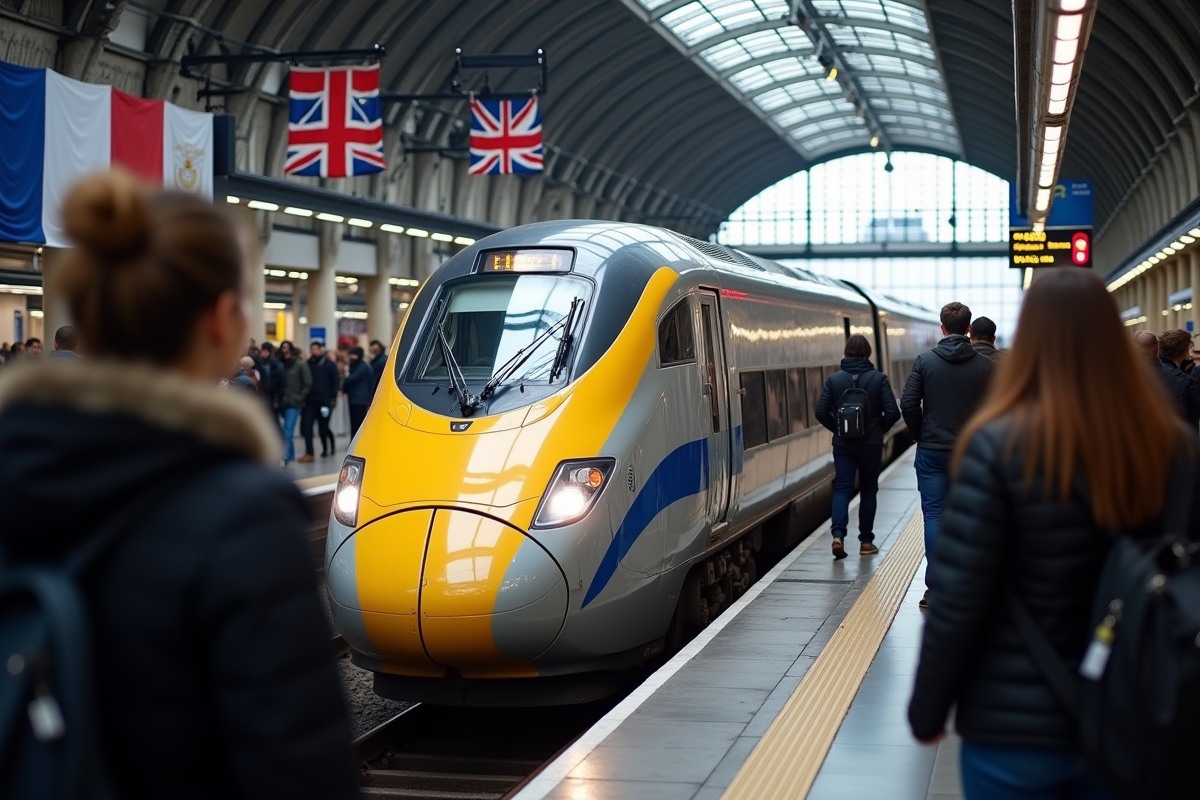
Practical tips for a successful crossing
Prepare your travel documents
Before you leave, make sure you have all the necessary documents. For citizens of the European Union, a valid identity card is sufficient. However, for nationals of third countries, a passport and possibly a visa may be required.
- Identity card: Required for EU citizens.
- Passport and visa: For nationals from non-EU countries.
Book in advance
Book your ferry or train tickets in advance to secure your spot and get favorable rates. Holiday periods and weekends are often in high demand.
- Advance booking: Book several weeks in advance.
- Peak periods: Avoid last-minute bookings during school holidays.
Check the weather conditions
Weather conditions can affect the crossing, especially for ferries. Check the forecasts and be ready to adjust your trip in case of unfavorable conditions.
Prepare for security checks
Security checks are strict, particularly for ferry crossings and via the Eurotunnel. Arrive early to avoid the stress of last-minute checks. For travelers by car, ensure that your luggage complies with security standards.
- Early arrival: Plan to arrive 60 to 90 minutes before departure.
- Luggage: Adhere to security restrictions.
Dining options
Ferries and trains offer various dining services. It may be helpful to bring snacks, especially if you are traveling with children or have specific dietary needs.
Communication and currencies
Don’t forget that the UK does not use the euro. Consider exchanging currencies or checking that your bank card is accepted. For mobile phone services, inquire about roaming charges.
These tips aim to optimize your travel experience between France and England, making the crossing as smooth as possible.