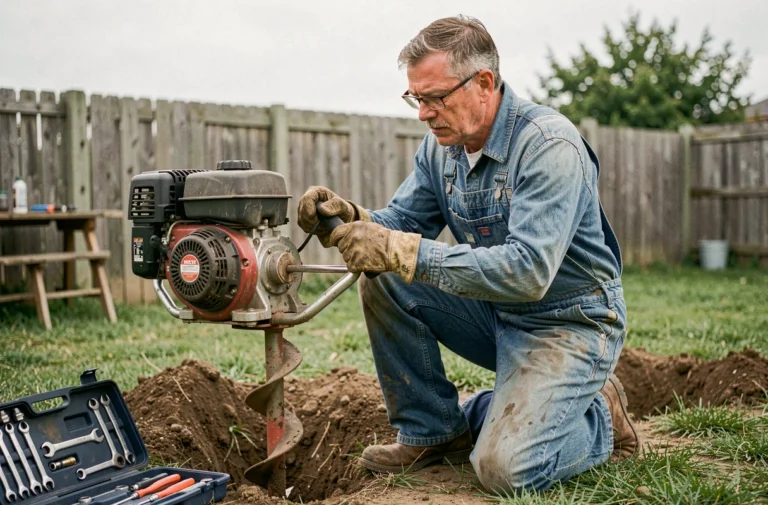
Mastering the operation of construction machinery is essential for safety and efficiency on construction sites. With the constant evolution of technologies and regulations, operators must continuously update their skills. Effective training involves combining theory and practice, through specialized courses, recognized certifications, and hands-on experience under the supervision of qualified instructors. Virtual simulators are also emerging as training tools, offering a realistic experience without the risks associated with using real machinery. Commitment to continuous learning is fundamental to adapting to the changing demands of the industry.
Key Steps for Training in Construction Machinery Operation
Choosing the Training Path: The machine operator must first choose a suitable training path. Training centers offer various programs, ranging from initial training for beginners to advanced courses for experienced operators. Choose a program that covers both the theoretical and practical aspects of operating construction machinery.
Development of Skills and Qualities: The training should enable the future operator to acquire not only the necessary technical skills but also the essential human qualities required for the job. Seriousness, vigilance, the ability to react with good reflexes, rigor, observational skills, and a good understanding of mechanics are major assets for operating machinery.
Obtaining Certifications: Validation of skills involves obtaining recognized certifications in the industry. The CACES, or Certificate of Competence for Safe Machinery Operation, is an essential certification. For excavators, the CACES for excavators is specifically required and certifies the operator’s ability to maneuver this equipment while adhering to safety standards.
Continuous Training and Refresher Courses: Training does not stop with obtaining the CACES. Regulations evolve, and so do technologies. Ensure that you keep your skills up to date through refresher sessions and continuous training. This helps guarantee your employability and ensures optimal safety on construction sites. Continuous training is a pillar of professional excellence in operating construction machinery.
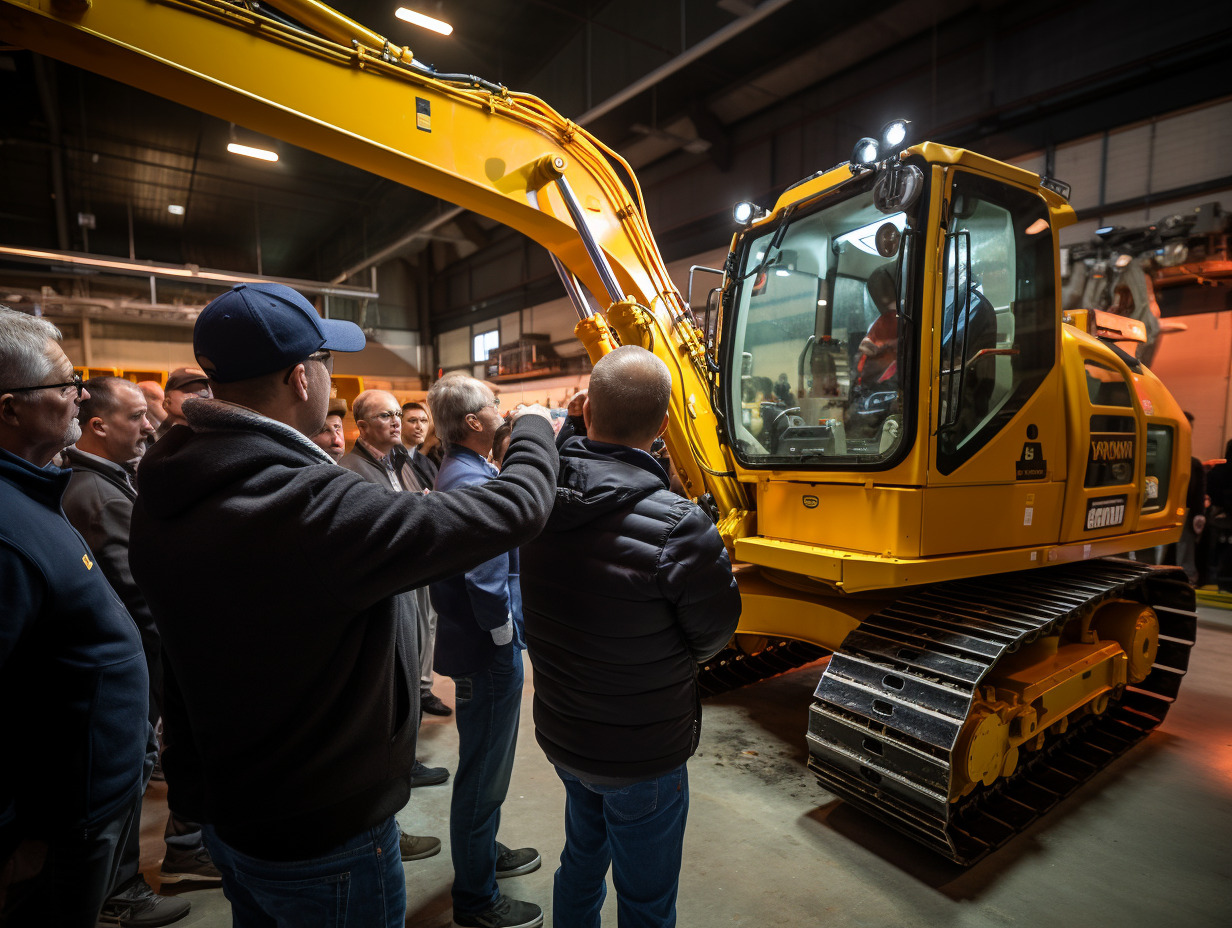
Certifications and Regulations in Effect for Training in Construction Machinery Operation
The CACES, or Certificate of Competence for Safe Machinery Operation, is the cornerstone of certification for construction machinery operators. This system, a guarantee of competence and safety, also frames the operator’s prerogatives. It is structured around different categories corresponding to the types of machinery to be operated and requires periodic validation to ensure skills are up to date.
The CACES training is part of a risk prevention approach. It is governed by recommendations issued by the National Commission for Professional Certification. These recommendations define the requirements for the theoretical and practical training that any aspiring machinery operator must receive. Adhering to these standards is essential for obtaining the CACES.
Beyond the CACES, machinery operators must comply with numerous safety regulations in the public works sector. This includes mastering signage, knowledge of personal and collective protective equipment, as well as emergency procedures in case of an incident on site. Training must cover these aspects to ensure comprehensive preparation.
Continuous training is fundamental to maintaining a level of competence that aligns with technological and regulatory developments. It allows the operator to renew their CACES certification and stay in line with the most recent working methods. Training organizations must therefore offer updated programs to effectively meet the changing needs of the industry.